
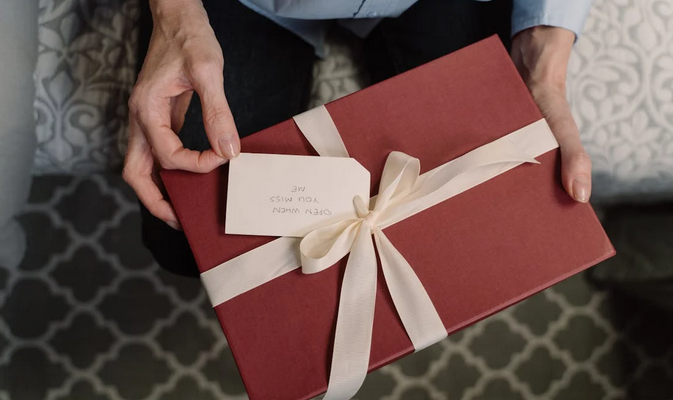
Buying a gift for him often feels easier than it really is. The pressure to surprise, impress, or show appreciation can turn a simple idea into a stressful task. Many people rush the process, rely on assumptions, or fall back on tired options that miss the mark. A good gift should feel intentional, even if it’s simple or last-minute. That’s why browsing curated Gift Ideas early can help spark better choices and reduce panic shopping. Still, even with inspiration, certain mistakes show up again and again. Understanding what usually goes wrong helps you sidestep disappointment and choose something that feels thoughtful rather than forced or forgettable.
Buying What You Like Instead of What He Likes
One of the most common errors is projecting your own taste onto his gift. Just because something looks stylish, clever, or exciting to you doesn’t mean it matches his interests. This often happens with clothing, décor, or hobby-related items. A graphic tee that fits your sense of humor may never leave his drawer. A gadget you find impressive might feel pointless to him. Paying attention to what he already uses, talks about, or enjoys in his free time offers better direction. Gifts land better when they reflect his preferences rather than your personal style.
Waiting Until the Last Minute Without a Plan
Last-minute gifting isn’t always bad, but unplanned last-minute shopping often is. Panic leads to rushed decisions, limited options, and overpaying for items that feel generic. Many people assume speed automatically equals thoughtlessness, but that’s only true when no effort is applied. Planning even a rough shortlist ahead of time gives you flexibility. If time runs out, you can still choose something meaningful rather than grabbing the first item within reach. Preparation doesn’t kill spontaneity; it supports smarter decisions when time is tight.
Ignoring Practicality Entirely
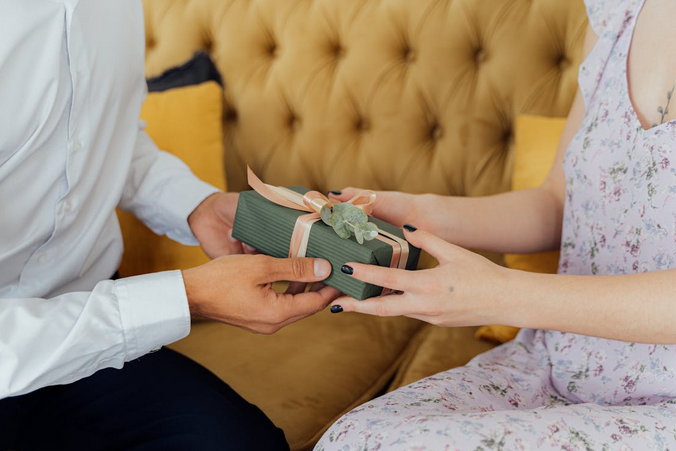
While sentimental gifts have their place, completely overlooking usefulness can reduce long-term value. Items that sit unused quickly lose emotional impact. This doesn’t mean gifts must be boring or overly functional. The key is balance. A practical gift tied to his daily routine or hobbies often feels more personal than something flashy with no purpose. Think about how the gift fits into his lifestyle. If it solves a small problem, saves time, or adds comfort, it’s more likely to be appreciated and remembered.
Overcomplicating the Gift
Trying too hard can backfire. Some gifts become so layered with meaning, presentation, or explanation that the message gets lost. Overcomplication can feel overwhelming instead of touching. This often happens with elaborate surprises or multi-part gifts that require too much effort to understand or use. Simpler ideas often carry stronger impact because they’re easy to enjoy right away. A clear intention paired with a straightforward gift usually communicates care more effectively than something that feels like a puzzle.
Forgetting the Emotional Context
Timing, mood, and situation matter more than many people realize. A gift that feels right in one moment may feel awkward in another. For example, humor-based gifts may miss the mark during stressful periods, while overly serious presents can feel heavy during lighthearted occasions. Paying attention to what’s happening in his life helps guide tone and style. Gifts don’t exist in isolation; they’re received within a broader emotional setting. Matching the gift to the moment often matters as much as the item itself.
Buying gifts for him becomes easier when common pitfalls are avoided. Choosing based on his interests, planning ahead, valuing usefulness, keeping things simple, and respecting emotional timing all lead to better results. These adjustments shift gifting from stressful guessing to confident decision-making. When mistakes are removed, the gift feels less like an obligation and more like a genuine expression of appreciation.…